2009
11.25
Uyuni is a remote town relatively close to the border with Chile and I got there on a bus through a difficult alternative journey off-road cause the main passage from Potosi’ was blocked by road workers who hadn’t been payed. I stopped here one night to catch up with Michele, another photographer from Verona, Italy that i met earlier in Potosí who drives trains as a second job back home. We were both going to San Pedro de Atacama, Chile, so we booked a crossing tour together on an old Land Cruiser with a driver/cook/guide – who didn’t speak or cook much but did drive at least – and another 4 passengers: Benoit, a French engineer who lives in Buenos Aires, “Crazy Bear” Rich and Fotina from Australia and Sonia from Switzerland who was still recovering from the dengue fever she had contracted earlier in the jungle. This three-day long passage goes across the Salar and touches 5000m of altitude. The scenery is stunning.
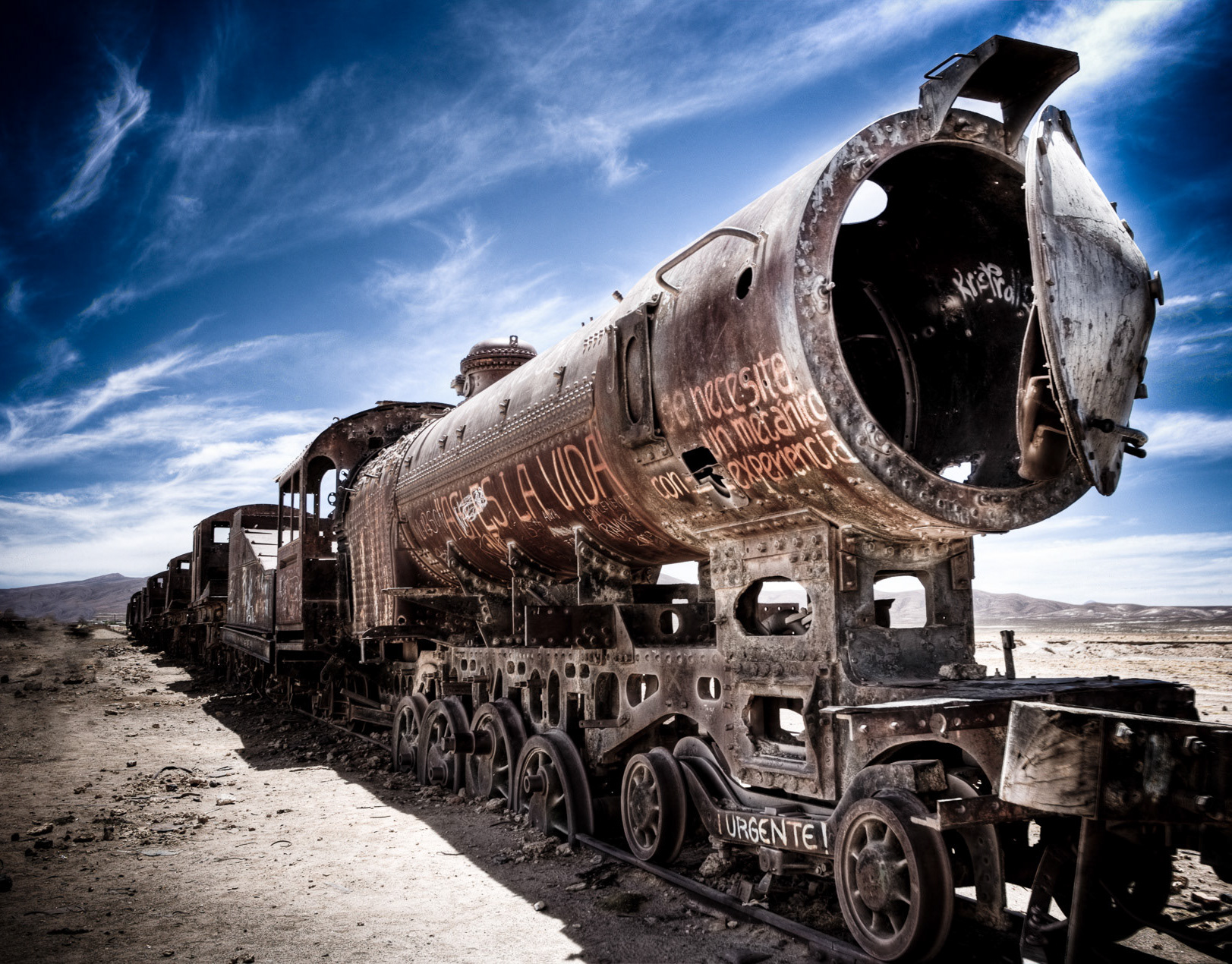
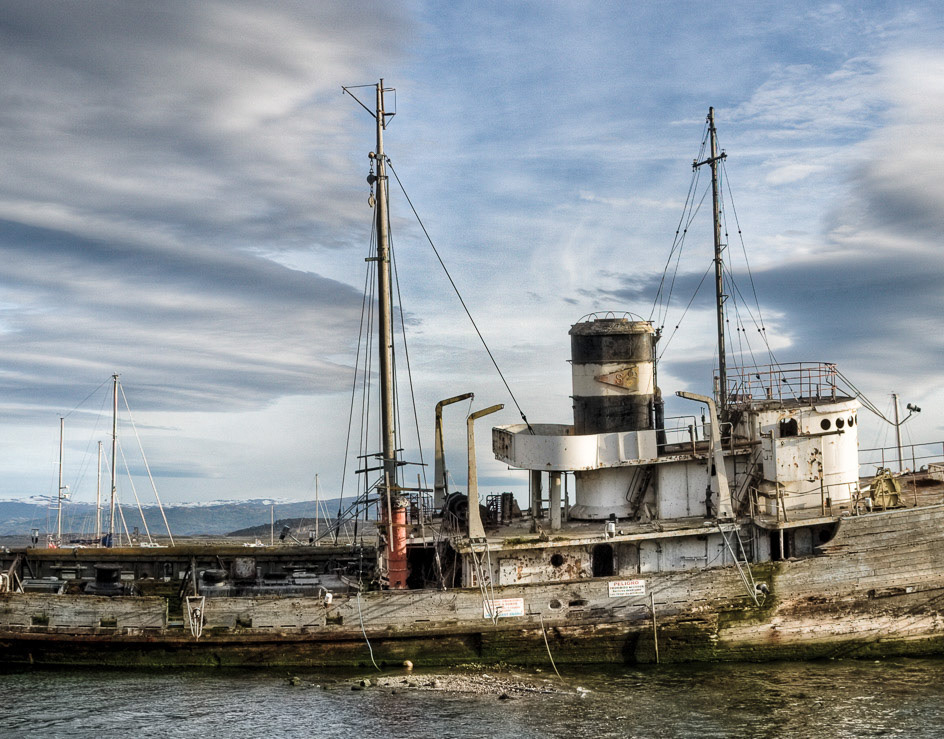
In summary, here are the pictures of the Train Graveyard (Michele enjoyed it more obviously), the Isla Incawasi where you can find millennial cacti, various lagoons, rocks, birds and one of the final stops, the geysers, where we managed to get just before a group of 20 or more crazy Israelis who kept us awake with fireworks the night before. traduci >>
2009
11.08
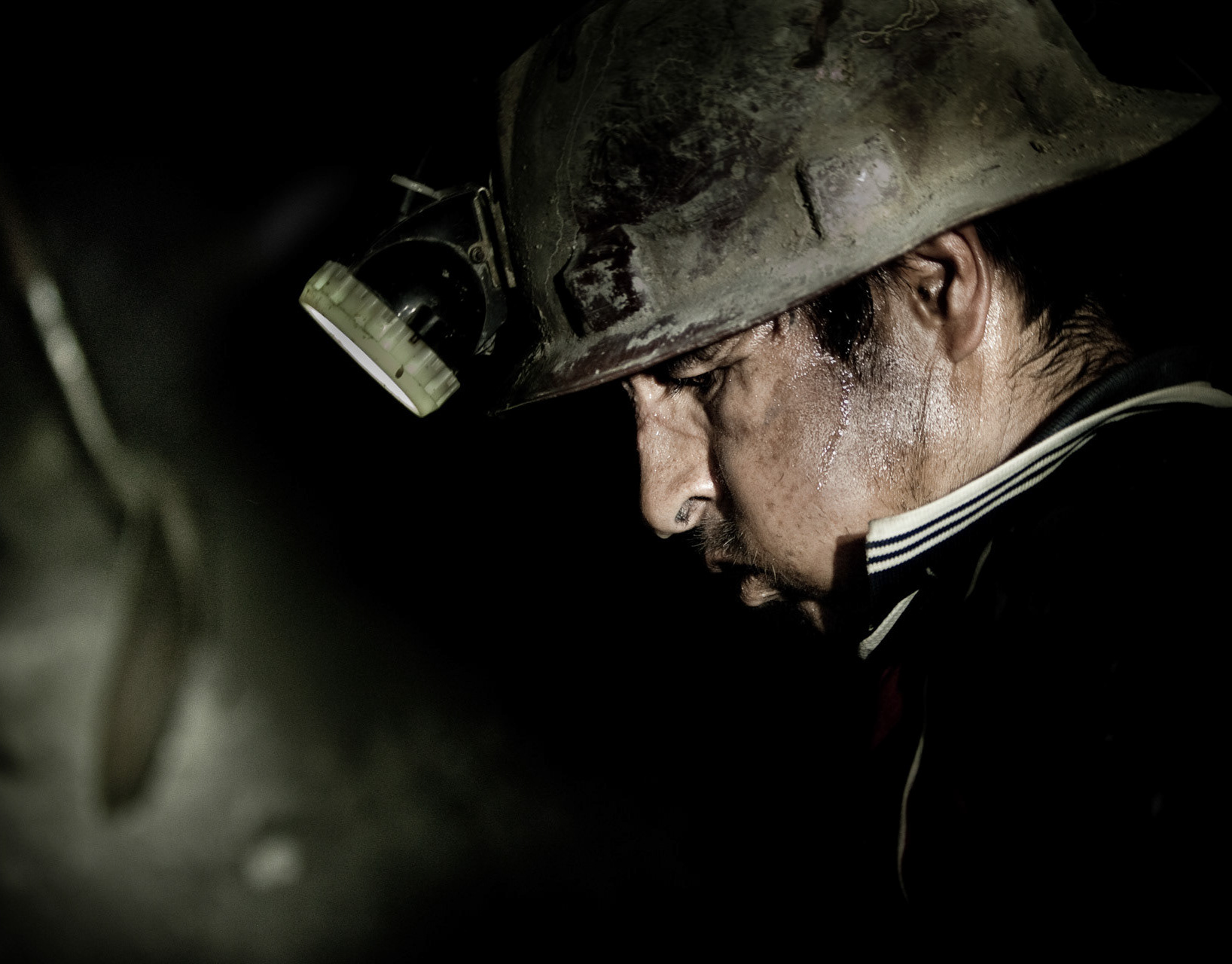
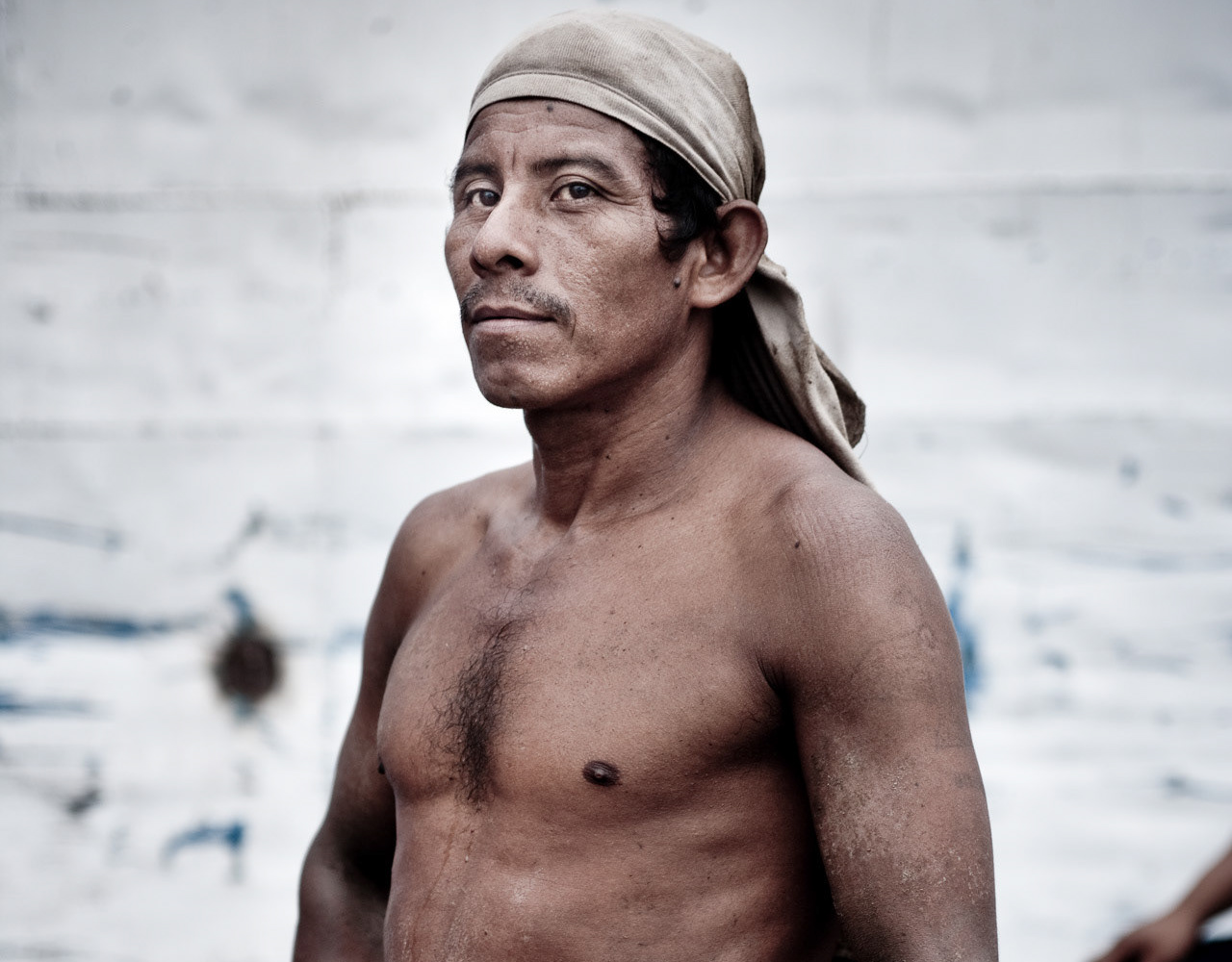
Bolivia didn’t start too well as I got the flu. My first stop was at Copacabana on the Lake Titicaca where I managed at least to have one of its famous trouts even though I couldn’t taste anything. I spent the following two days in bed basically but in La Paz this time. When I started to get better it was time to go to Potosí and here I am now. At 4090m above sea level, this is considered to be the highest city in the world. I planned to visit the mines here, located beneath the 4,824 meters-high Cerro Rico (Rich Mountain), accessible with local tour guides normally ex-miners themselves. I got to town in the morning after a 10 hours bus journey from La Paz and I had to join the last tour of the week in the afternoon. I thought that the Lares trek and climbing the Wayna Picchu was hard but this one was a killer. We had to walk fast and duck and squeeze though passages while breathing mineral dust – including arsenic apparently.
It was Saturday afternoon and unfortunately we missed lots of miners and as a consequence, photo opportunities for me but anyway, here’s the outcome. I took some videos too which probably give a better idea of what it’s like “down there” but my connection at the moment doesn’t allow big files uploads. The spooky figure is a representation of the Devil which the miners worship to help avoid fatalities and bring minerals. Last year 45 people died in here. traduci >>
2009
11.03
I knew that for the traditional Inca Trail you need a few months pre-booking so my options were 2 alternative routes: Salkantay or Lares. The latter is one day shorter (✔), you get the chance to pass through local villages(✔), it’s less beaten(✔ ) and apparently easier (✔ ✔)! So,
Day 1
We got a bus at 5,30 am and in about 2 hours we were in Pumahuanca (2950m). We had breakfast and we started the ascent. I had a bag full of coca leaves which helped me throughout the all trek. The first stop with lunch was at Callorumiyoc(3600m) then on the path again till Puyoc(4100m) where we stopped for the night. I was obviously cursing the day I started smoking and wondering why my gear seemed to get heavier at every step.
Day 2
This was going to be the hardest day. We started walking towards the Sicllacasa pass(4600m). I thought I was going to die and when I got to the top and saw first the clouds and then Jesus I thought I was already dead. But then we started the long awaited descent to Yanacocha(4200m) and after lunch I could smile again. The scenery helped a lot though because I felt it was definitely worth the effort. Guides, porters and cooks were doing a great job. They were traveling ahead of us and they always managed to put up tents and prepare food and hot drinks for our arrival at the camps. Meals were mouthwatering and abundant. We even had bananas flambe’ and cakes! The night we stopped at Cunkani(3800m) were we had a “private market” right in front of our tents and finally a fire and a glass of wine.
Day 3
We set off to Lares hot springs (3200m) in the morning and that was a bonus for the muscles and the spirit. Then, even better, a bus. We stopped at Ollantaytambo(2800m) for dinner and then got the train to Aguas Calientes(2040m) to spend the night in a hotel room. Luxury! Finally a shower and a ceramic toilet!
Day 4
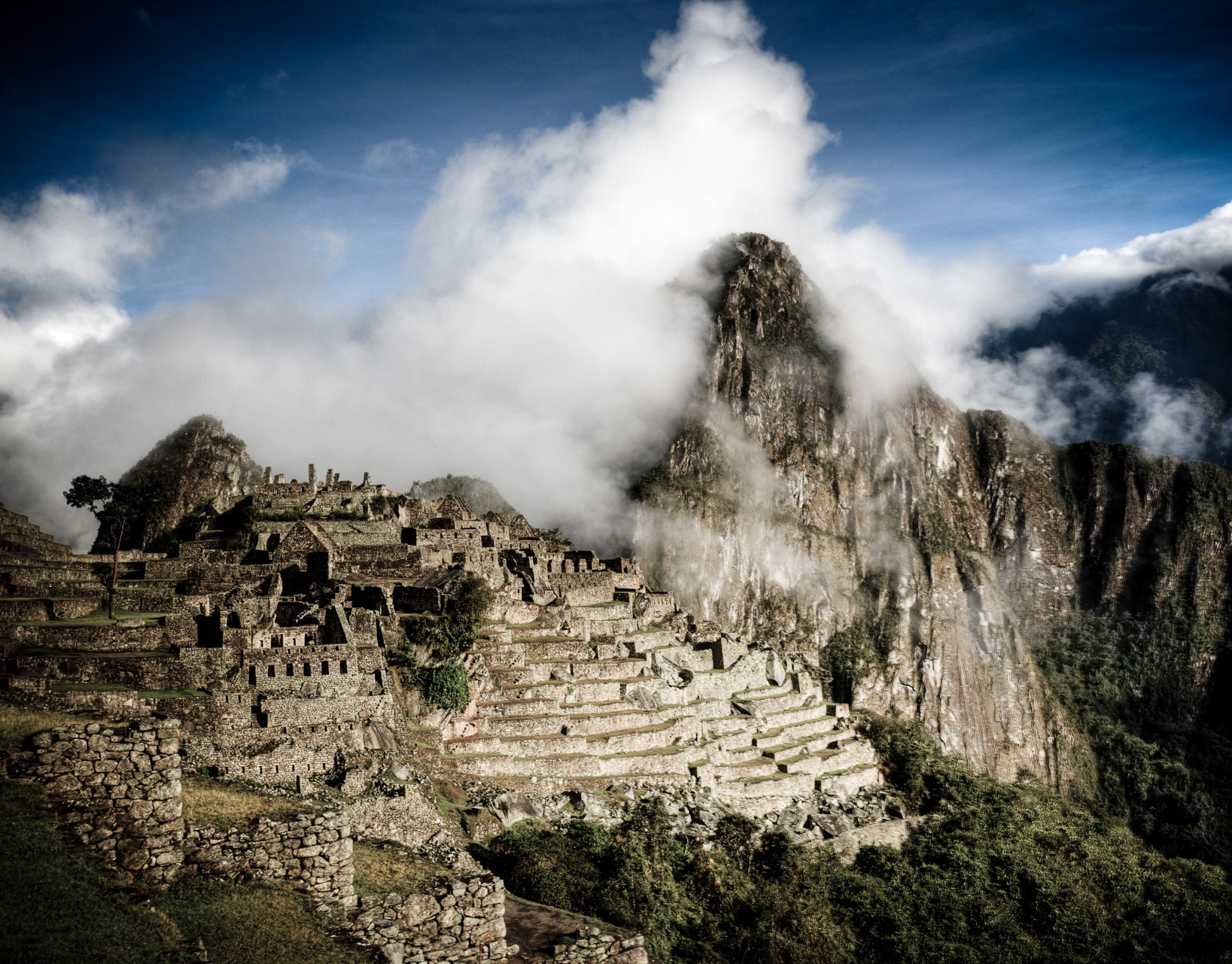
The long awaited day had arrived. We got up at 4,30am for breakfast and then caught the first bus to Machu Picchu. I’m sure you get a greater satisfaction when you arrive walking there the last day of the original Inca Trail but still it was a stunning view. All excited we decided to climb the Wayna Picchu, the peak right above the ruins. So, here we go again: the hardest part of the trekking right at the end! 360 meters of steps and stones. Quite scary too but, again, well worth the effort. I’ll upload the pics in the next post. traduci >>
2009
11.03
First of all a BIG THANK YOU to Mr Blonde and Mr Pink of Driving Horse for adding my blog to theirs. Cheers guys!!
And now back to Peru…
When I arrived to Cuzco (3400m) I felt the altitude straight away. The hostel I was planning to stay at was full and carrying my bags up and down the steep street searching for a room had never been so hard. After bumping into people and things while “climbing” to the next hostel I finally managed to reach my destination and found a room. I spent the following 2 days acclimatizing, easily taking pictures around town (including a march pro Cuba) and looking for a trek for Machu Picchu.
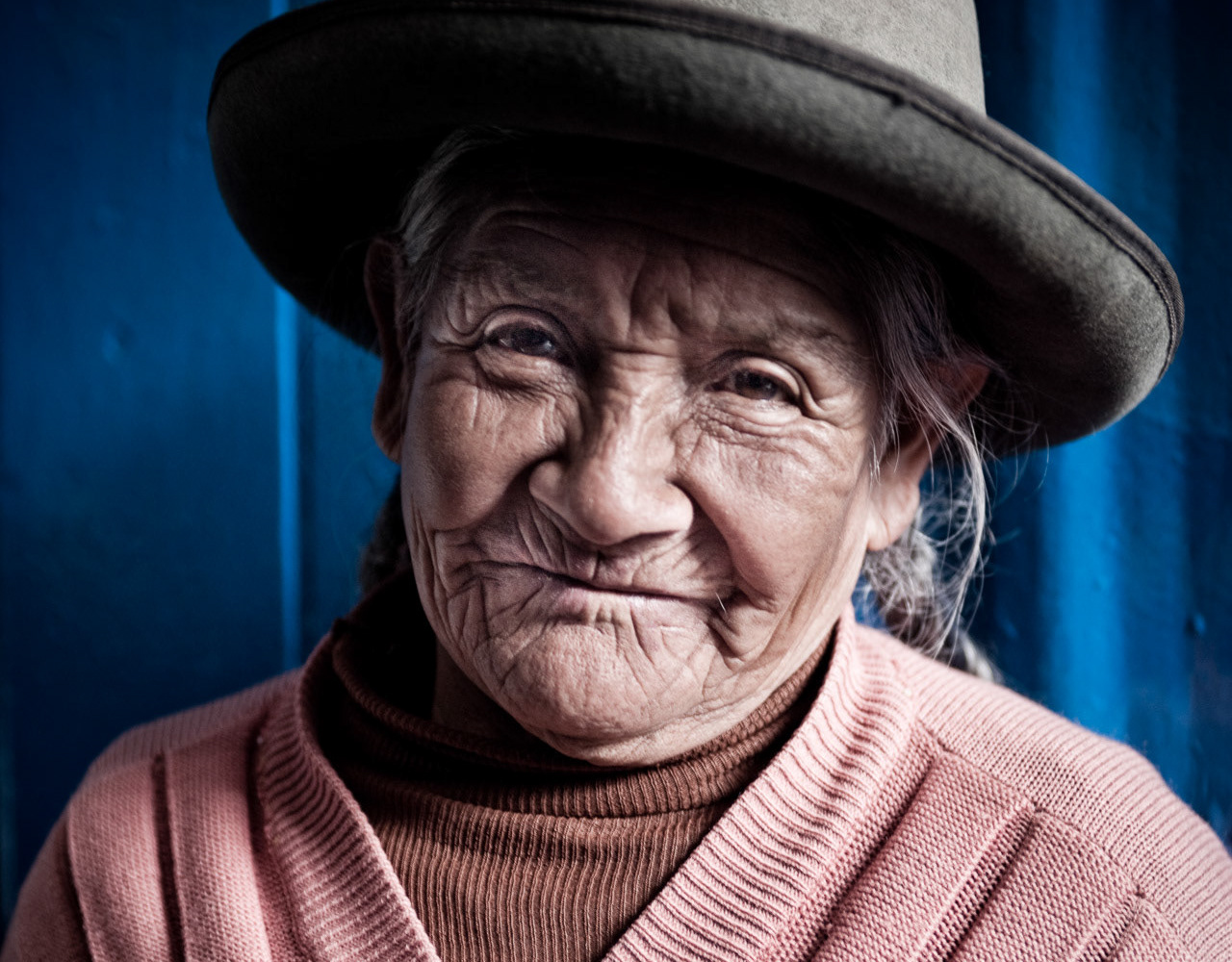
I also visited the local cemetery during the Day of the Dead (this actually took place on the 2nd November after coming from Machu Picchu). I was impressed how people offer to their loved ones, amongst other things, live music and miniatures of beer or coke. traduci >>
2009
10.23
This is going to be a quick update from the airport in Lima as I wait for my flight to Cuzco.
I got a bit stuck in Iquitos cause of some pain in the neck and didn’t manage to see all I wanted to see. It was really hot though and to those who actually believed me when I said I wished to be in cold Europe well, not a chance, i was joking!
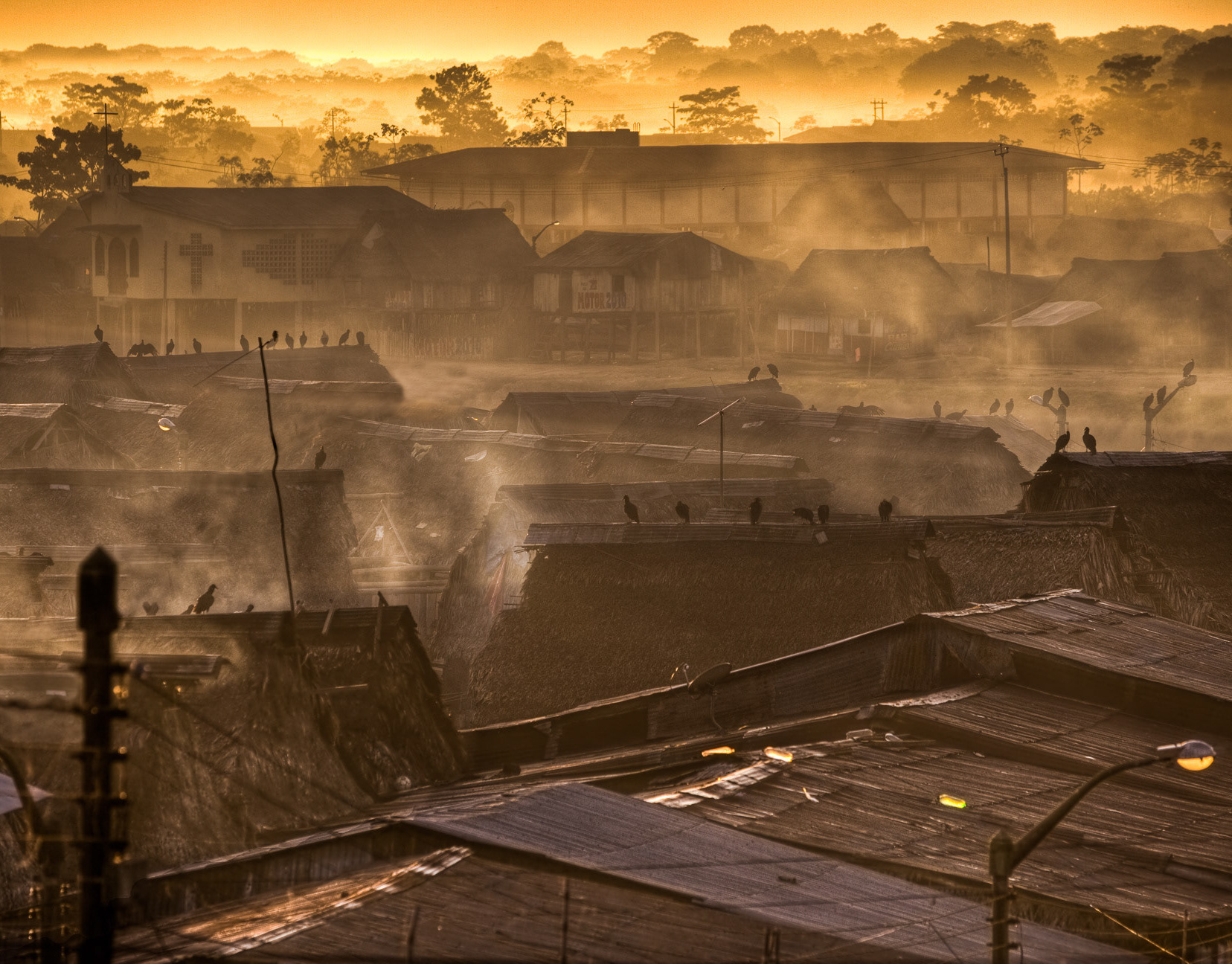
Incredible how the city ends, just like this:
Here are some shots I took in some places – including Belén – around town. traduci >>
2009
10.21
The long awaited BOAT TRIP to Iquitos!!! Remember? I had decided not to enter Iquitos from Coca, Ecuador and try instead from Yurimaguas as there are more boats available. It’s cheaper and faster (about 3 nights as opposed to 10 to 14 days).
I was a bit afraid for my stuff as sleeping on the deck of a river boat together with another 100 people wasn’t really an advise I would get from my insurer. But my camera and I managed without problems. Even the food wasn’t so bad. At my 5th almuerzo though (pictured), I must admit, I think I could have killed for some parmeasan cheese. Instead I had brought some ketchup – as advised in some other blogs – but it was making everything worse: bin.
I loved swinging on the hammock though, watching the mighty Rio Maranhon, the nearby villages, the palm trees onshore and the Milky Way at night. Among the multitude of people I met, the gold medals go to both Armando, a lefty catholic journalist turned politician and Volcan, a German guy lost in Iquitos’ “magic” who was traveling with some expensive orchids. traduci >>
2009
10.21
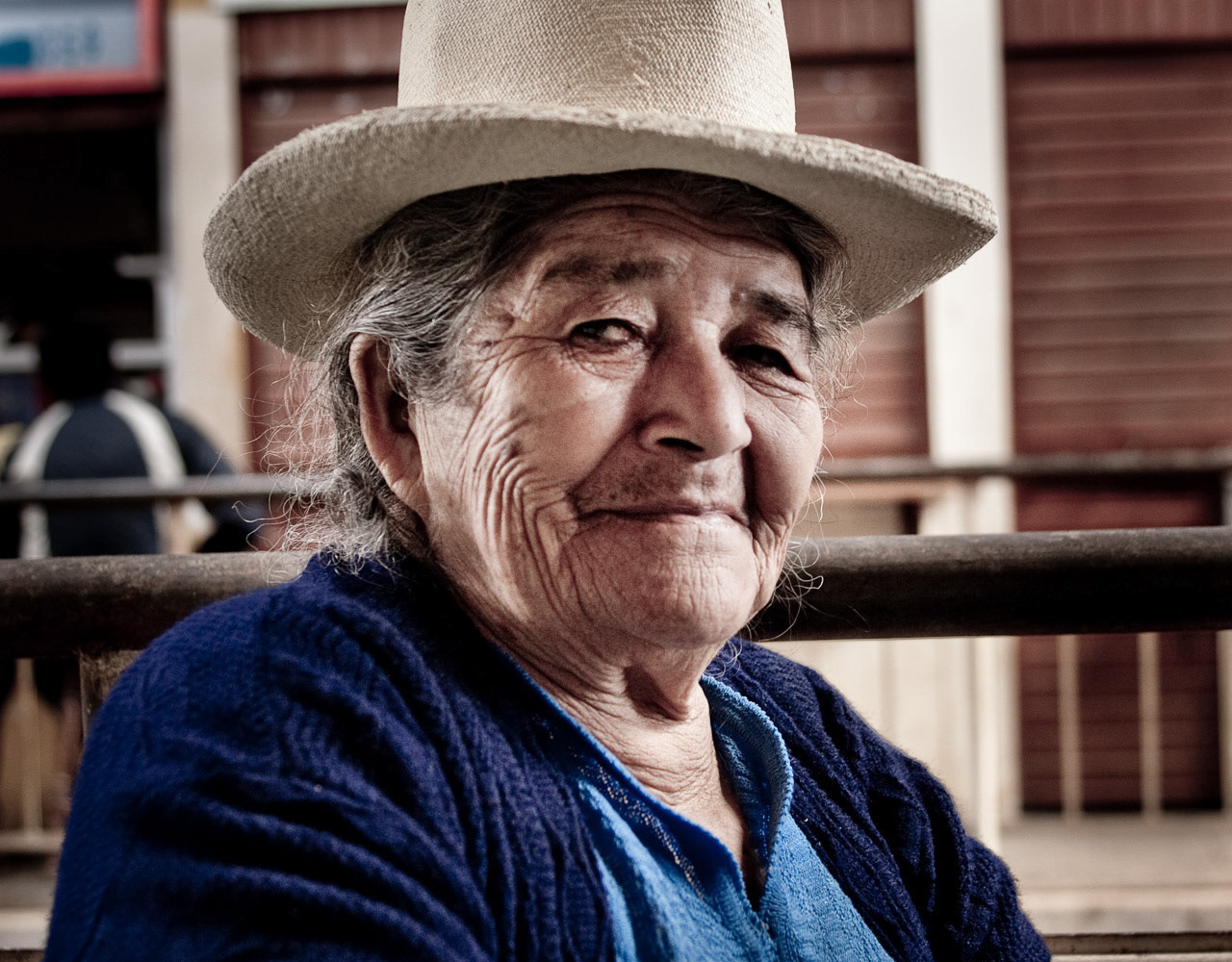
The journey to here was even harder than getting to Chachapoyas. 4 shared taxis, lots of queueing, one dog squashed at 100 km/h and all this trapped in some weird position in a car with 6-7 people, coffee bags and sometimes chickens. I couldn’t reach the camera to document, sorry. Here are some shots taken in the local market. Again, I know… traduci >>
2009
10.21
I couldn’t carry on traveling without, unfortunately, stopping one night at Jaen, my first sojourn in Peru’. Ectic and dusty. I was just a few hours there but that’s the impression I got. I can’t describe it otherwise.
From there, after visiting 5 different bus terminals and realize that nobody had a clue where this phantom bus was, I got a shared taxi to Bagua Grande and then another one to my “final destination”: Chachapoyas.
This is a little market town. It’s cold at night and it looks like it rains every day here.
The area is politically “hot” as both the government and the local (indigenous and non) communities claim control over the land and the water. The first for economical reasons: oil and other minerals are abundant in the area. The latter for obvious reasons: heavy pollution of air, land, water and people; deforestation, poverty…
Pictures-wise, unfortunately, this is all I have: traduci >>
2009
10.21
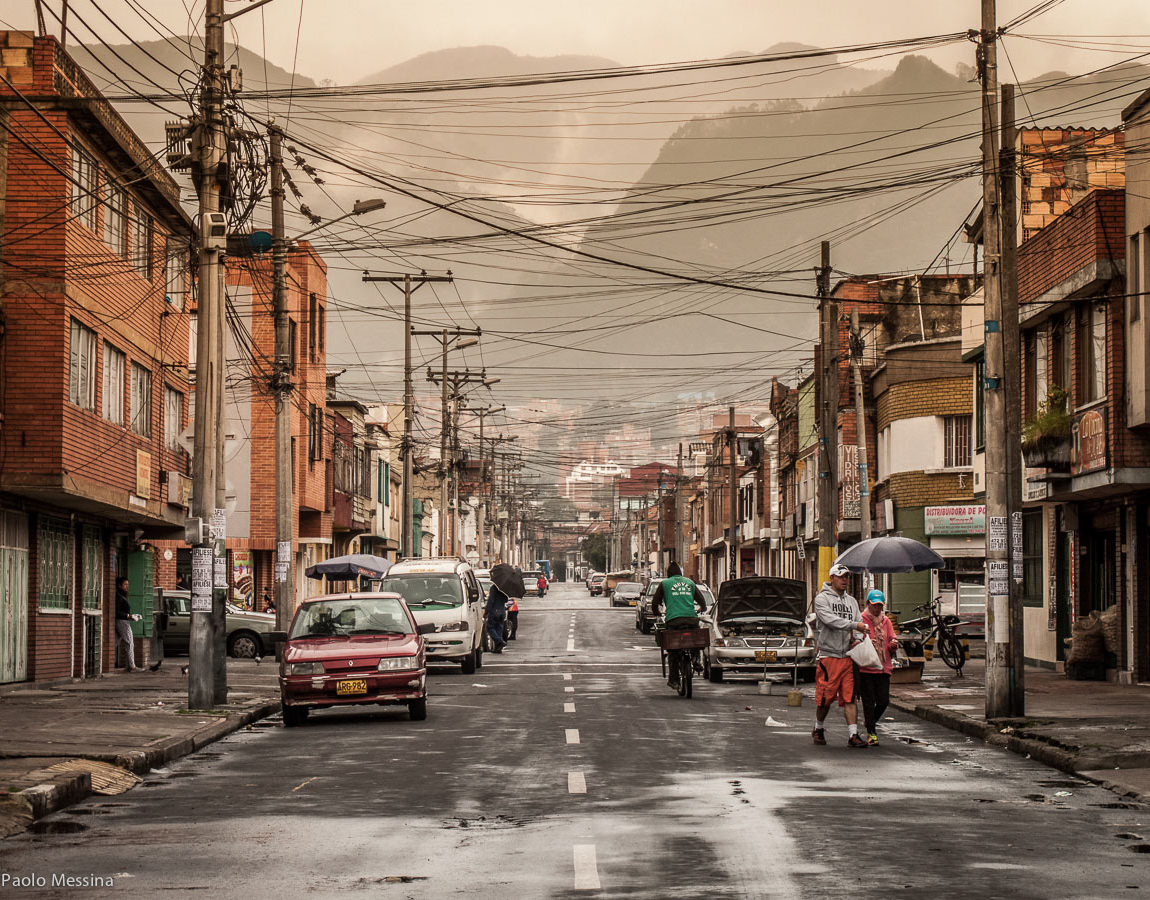
I finally managed to catch a flight to Loja – even thought it got cancelled cause I hadn’t confirm it and luckily got the last available seat at the airport – then a bus to Vilcabamba, also known as the “Valley of Longevity”.
Well, it rained almost all day and I didn’t stop by enough time to meet any centurial dweller but here I got some office workers in their 40s:
I spent the following 2 days jumping from bus to truck to taxi. And waiting, lots, checking my hair growth:
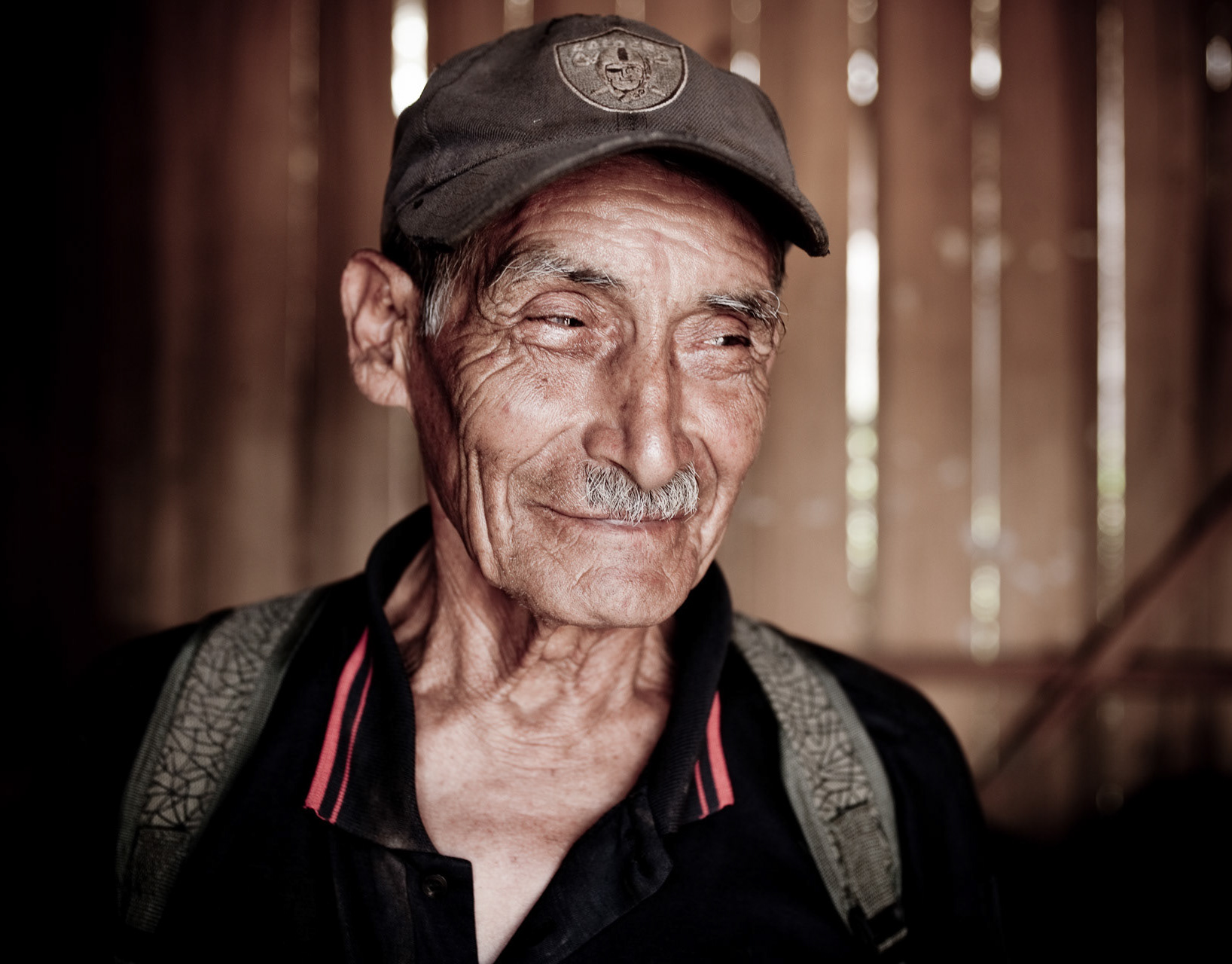
and annoying the locals with my picture taking. Many refused. The problem is when the first one says no, that’s it, everyone around says no. Later on somebody told me that they refused cause they thought I was going to ask for money. Odd. traduci >>