2011
09.28

This is a series of “behind the scene” of a fairly typical Brazilian beach that I took in 2007 when I was in Brazil visiting friends. I thought they would attenuate my need for warm countries a little but I think it’s working the other way around.

I shot this on an many-times-x-rayed b/w film with my old Olympus OM10. I had to have it processed manually by a Japanese chap who had converted his wooden-floored sitting room into a photo-lab at the 15th floor of a building in Sao Paulo.


2011
09.22

Finally (see previous post) here’s also the video.

In my mind, for some reason, this was going to be a not-so-dynamic event so I got to the meeting point thinking “ok, let’s find some nice spots to shoot from and easy peasy” but no, after a 2-hour chase and 3214 frames this is what came out of my unsteady cam.

2011
08.23

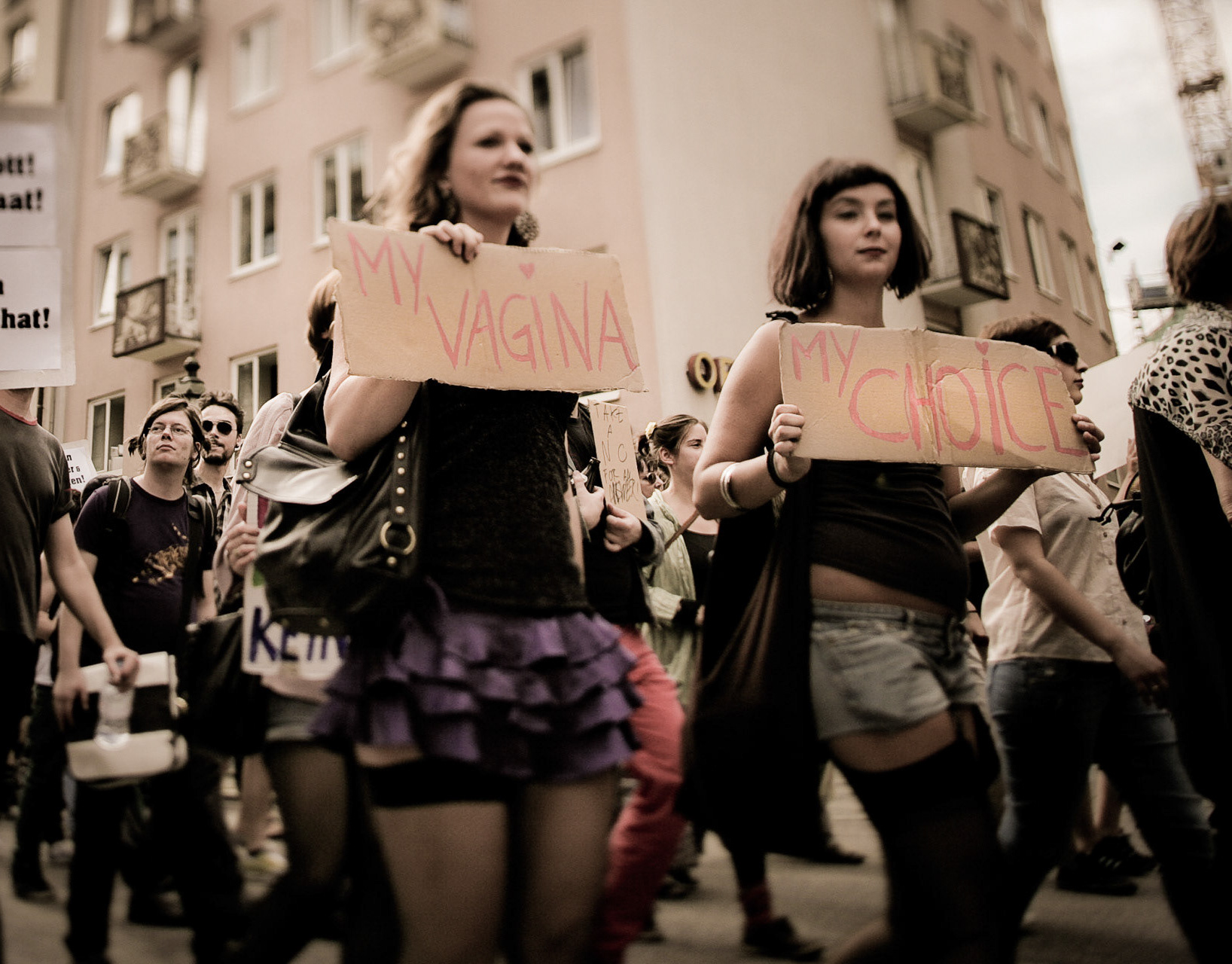
It all started when Constable Michael Sanguinetti of Toronto Police Service said during a crime prevention forum that “women should avoid dressing like sluts in order not to be victimized”. He later apologized for his remarks but on the 3rd of April 2011 right in Toronto, a crowd of about 3000 people gathered for the first time for a public protest which echoed all around the world under the name of “Slut Walk”.

So, on August the 13th about 350 people took on the street and joined Munich’s first Slut Walk. I thought I couldn’t miss that and went there with the intention of shooting another time-lapse video along the lines of the surfers’ one but it was a looooong walk! about 2 hours from Goetheplatz to Marienplatz  and I’m still putting together the footage but here are some stills.

2011
03.26

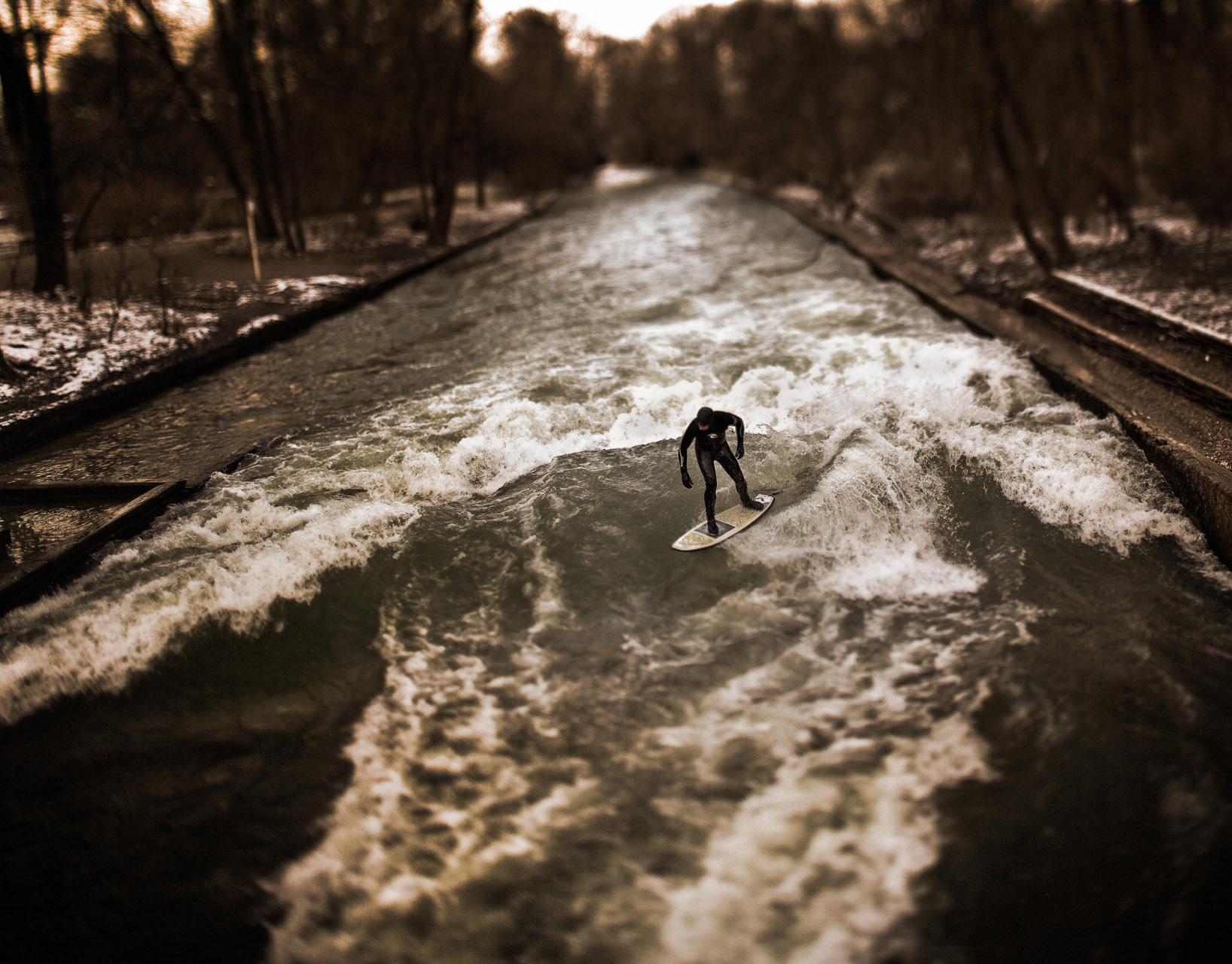
Munich Surfers

Forget about Bayron Bay, Wakiki or Bali, the perfect wave is here in Munich!


2011
02.22
Not having a great deal of new pics to upload at the moment, I thought that a post on my 2004 experience in Palestine would fit well in the blog. So here it is…

I left for Palestine on the 14 October 2004. I don’t exactly know the reasons behind my interest in the current issues of this troubled land but after following the Israeli-Palestinian conflict for a few years and being sick and tired of constantly changing my mind according to the paper I was reading or the news I was watching, I decided to go and see for myself. It might have been the idea of people blowing themselves up that I couldn’t find explanations to or knowing that those fascinating places mentioned in the New Testament (I was brought up in a catholic environment) like Jerusalem, Bethlehem, Jericho and so on, were now the battlefields  of diaspora. Furthermore, I quite couldn’t understand why Jewish people were still being targets of violent attacks and so called anti-semitism.
So I took my cameras, a bunch of b/w and colour films and left flat and job in London to spend a month there and try to understand more.
The adventure started at Gatwick airport. I went past two armed officers and started queuing at the check-in when a security member approached me and asked me to move aside for a few questions:
•  Where are you from
•  Why are you going to Israel
•  Why are you traveling alone
•  Who do you know there
•  Where are you going to stay
•  Who are you going to stay with
•  What’s her name
•  What’s her surname
•  If she’s your friend why don’t you know her surname
•  Where is she staying
•  Is she from Israel
•  Why is she in Israel
•  Who is she with in Israel
•  How long have known each other
•  Why are you going to Israel
•  Why have you decided to go to Israel
•  When did you decide to go to Israel
•  When did you buy your ticket
•  When did you decide to buy your ticket
•  Why are you going to Israel
•  Why is your passport brand new
•  Who do you know there
•  Why are you going to Israel
•  Do you have any reference
[...]
She then gave up and another lady came and started to ask:
•  Where are you from
•  Why are you going to Israel
•  Why are you traveling alone
[...]
After the questionnaire she told me I couldn’t go because I had an open ticket and the custom at Ben Gurion would never let me in. I argued that the ticket was issued by an Israeli airline, my passport was valid and there was no reason for me not to go. She said she would double-check with her manager and left.
Next, a man came up to me. He asked me to follow him with all my stuff into this little room where another 4 men were ready for me. “Mr Messina, please empty your bags”. As they searched they asked me:
•  Where are you from
•  Why are you going to Israel
•  Why are you traveling alone
[...]
At the end they let me re-pack my stuff back (fortunately -or not- I went to the airport 4 hours before departure) and then introduced me to this girl who said she was studying photography and she would have taken the same flight. I didn’t know what that meant but I knew I was officially off to Tel Aviv.
Once at Ben Gurion Airport the officer at the custom, without any question, stamped my visa and I was finally free to travel.
I got a sherut (shared taxi) to East Jerusalem. The driver dropped me off last and left quickly without asking for money and I went to the hostel. The first night I experienced the Ramadan evening celebrations from my room. One horn would trigger another dozen, with solo of car alarm and background of megaphone. The guests of the room next door were also having fun too shouting and playing football with something I have no idea what it was. From the noise it could have been a wooden ball.
In the morning, after some random sleep, I managed to go to the bus station and got a bus to Ramallah. The driver stopped before getting into town and I couldn’t understand why. One courageous lady noticed that I was completely lost and told me to follow her from a distance. We were then walking, head down, through an Israeli checkpoint in Qalandia. People were queuing in the other direction. Nobody was queuing in ours. She went and got a taxi to Ramallah for me and then she disappeared. As soon as I got off that taxi my experience in the Occupied – or “Not Conquered Yet” – Territories had begun.
I talked to as many people as I could but my knowledge of Arabic was very poor but good enough sometimes to make them laugh and break the ice. I had felt most welcome almost everywhere I went (“Italiano? Welcome welcome!”) therefore, after two weeks, I decided to stay in Ramallah to have, inshallah (god willing), an easier access to the places and the people I wanted to see.
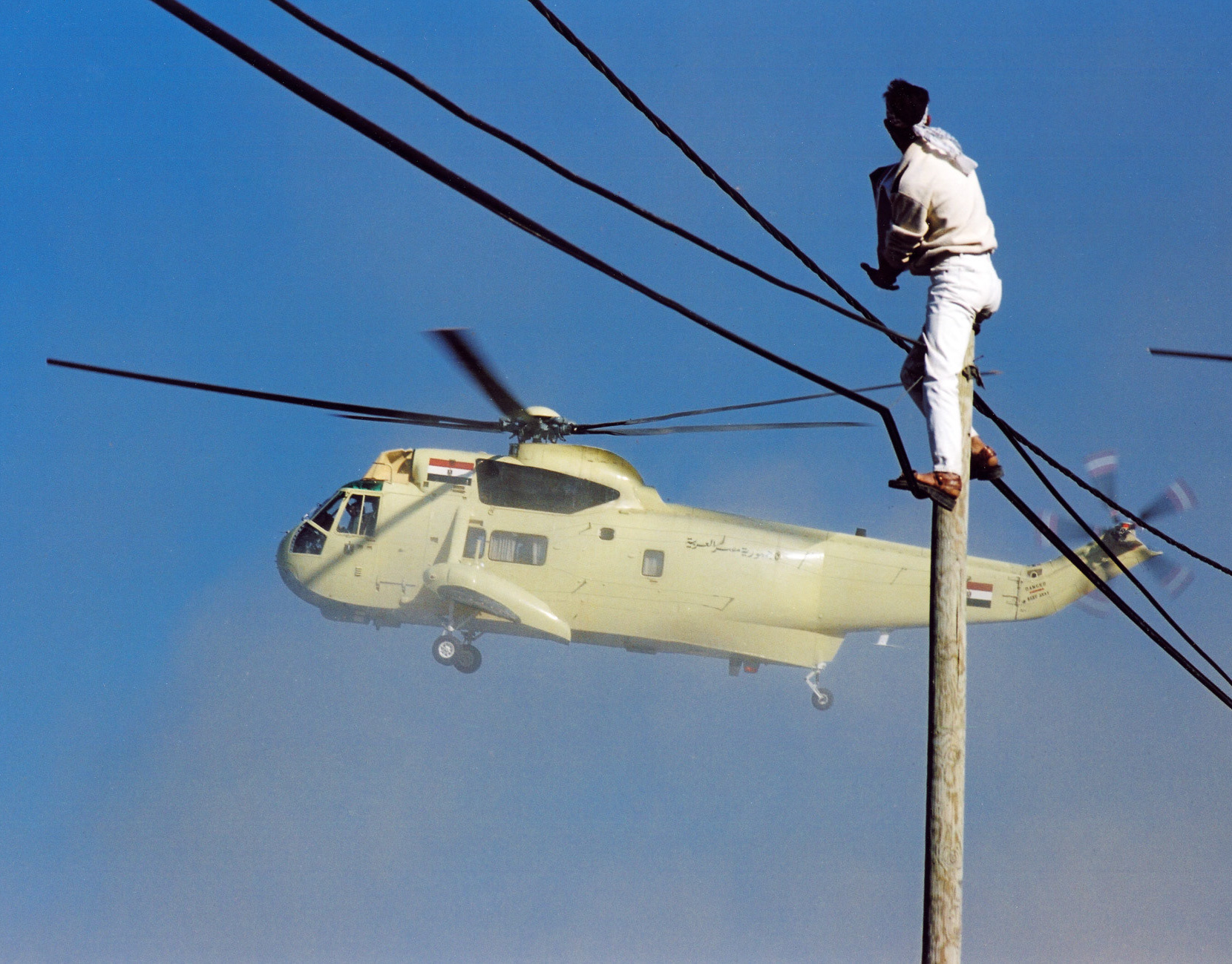
The first day in Ramallah I was woken up by a helicopter flying nearby the hotel. The Tv was still on from the night before and the CNN was broadcasting live images of Arafat getting into the helicopter just passed by. He was off to Paris to undergo medical treatment for his mysterious disease. I ran to his compound (muqata) and managed to get one shot of the chopper taking off.
Soon after coming back from the muqata I left Ramallah to go to Jenin (about 50km). On a shared taxi it took about 5 hours. The checkpoints and the wall (Israeli barrier) don’t make traveling across the West Bank an easy task. Soldiers decide whether you can go out of town or go back home. They are rather young and generally temperamental and that can make the crossing a little scary. One little girl in Gaza for example had been recently mistaken for a suicide bomber and riddled with 20 bullets. She was 13. Personally, I must say, I was treated very well compared to the Arab folks, especially the ones who don’t speak hebrew. The checkpoints are normally shut at night. While traveling I constantly had to stop, get off the vehicle, queue, be searched and then, if lucky, get across and wait for another bus or service.
It was the olive harvest season and not being able to access water supply facilities or traveling free within the territory makes it hard for such a business based on temporary labourers. Like Faiek for example who is 77 and left almost alone with his wife to harvest 600 trees. One barrel is sold for 40 us dollars but it costs him 80 to produce such quantity. The access to his village has been restricted because of the nearby israeli settlement. He told me that once he was picking olives with his son and a soldier threatened to shoot his son if he didn’t stop and leave (his own property). Faiek didn’t stop and argued that not only his son but also the whole family was going to die without olives. The soldier eventually left without firing a shot.
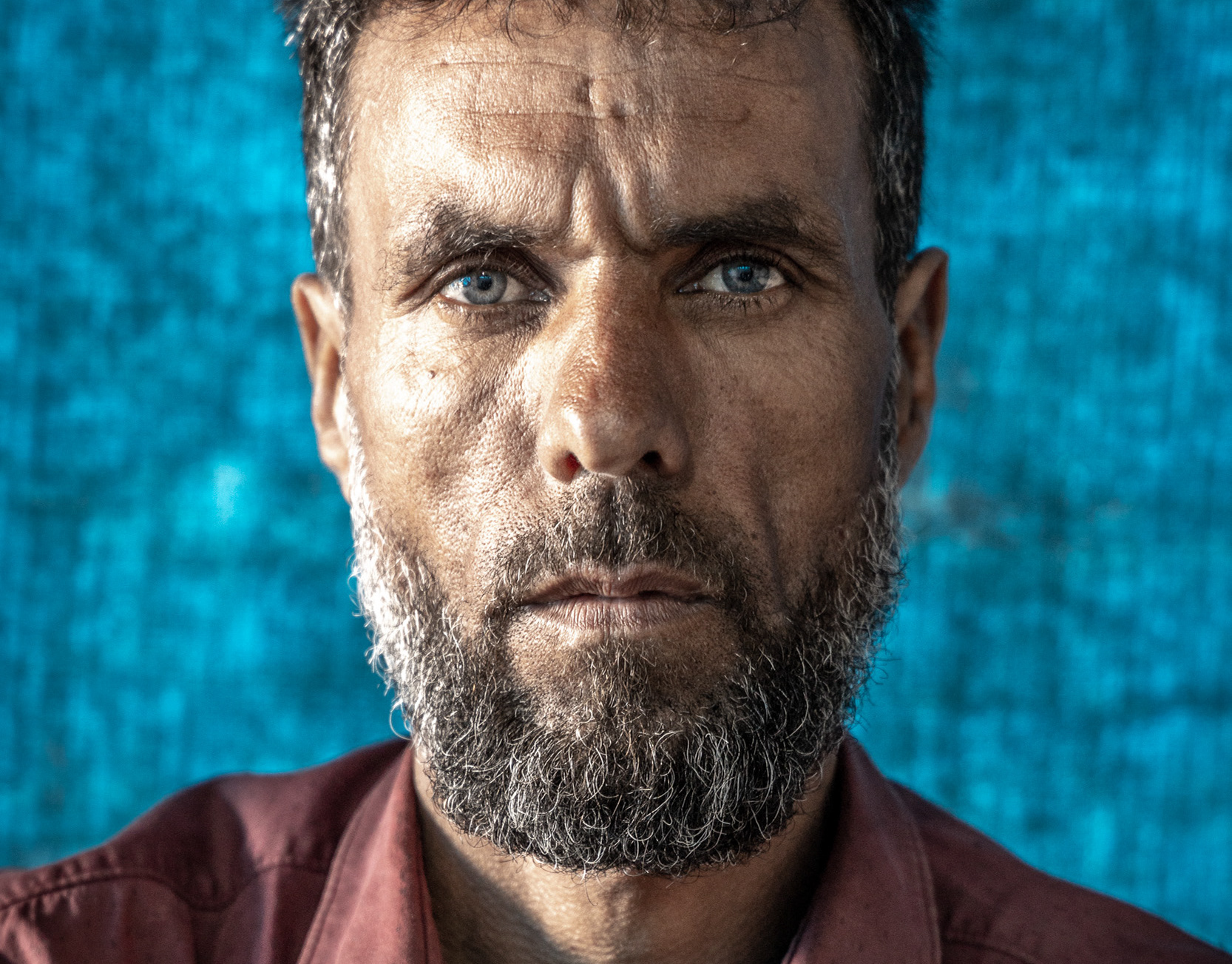
Most of the people I met told me one thing: “See how they treat us? Go back to Europe and tell everybody what’s really going on here!” I heard this from a doctor I met in a taxi to Jericho. He was carrying medicines for a relative but he wasn’t allowed in town. I’ve heard it from Muhammed whose girlfriend is now on the other side of the wall. I’ve heard it from improvised tourist guides who took me to the middle of nowhere and robbed me of all my cash but didn’t take my camera. Nader, from Nablus, same again. His town according to UN statistics, suffered the highest level of damage by the IDF (Israeli Defence Forces) to structures and infrastructures during the Al-Aqsda intifada. He has two friends living in Italy and he would like to join them but his israeli ID was torn apart by a soldier and now he can’t even leave Nablus. “In Hebron is even worse” he tells me. “It’s one of the holiest places in jewish history. There are about 160000 Palestinians and 500 Israeli living there and you have 15 or so checkpoints within the actual city”. The level of tension and violence between the IDF and the Palestinians there has been so harsh that an NGO (TIPH) was created only to observe these checkpoints. “We look at the soldiers humiliating the Palestinians” as I was told by one of its members “but at least, if we are here, they don’t shoot them”.
Ashraf studies music at the university of Ramallah and he tells me about living under occupation. “I was very angry at them. Why they had to shoot the instruments and shat on the desks?” referring to the damage left by the IDF in his university during the 3-week-long siege of Ramallah in which also banks and petrol stations were robbed and emptied and his neighbor shot dead as she was hanging the clothes outside to dry. “I don’t want to see us Palestinians as victims” he told me, “but rather as people who resists. We resist, and I do it through music and poetry. I do it by carrying on with my life and trying to follow my dreams, despite the occupation”.
My time in Palestine was coming to an end. The return flight was in 3 days and I went back to Jerusalem to send to myself some backup copies of my work. Just after dropping my stuff at the DHL, I heard the news of the death of Arafat.
Some Israelis were already having some sort of street celebrations even though my feeling was that most of them were worrying for the uncertainty of the consequences. I decided to go back to Ramallah as soon as possible before the IDF decided to close it. When I got there every shop was shut and there was barely no people in the streets. I went to check the films I dropped for scanning but no luck, the shop was closed. I eventually got hold of them a month after leaving the country when the shop reopened and had my negs posted to me. You couldn’t find much for sale and a 3-day banana-and-bread-only diet was about to start. The following evening, all of the sudden, the streets repopulated all at once with thousands of people marching to the muqata to secure their places for funerals of the raiss that was going to be held the next day. Tv crews were unable to communicate or broadcast because of the drone flying above that was blocking any signal. We could hear it but it was impossible to spot. Someone tried to shoot it down but with no luck as far as I know. The morning after, 12 November 2004, thousands gathered around the muqata. A number of them with guns shooting in the air. Few ambulances were called in for people suffocating in the pressing crowd and apparently being hit by bullets coming back down.
Yasser Arafat received his state funerals in Cairo and his coffin was flown back in the afternoon and quickly buried in his compound where he had been confined for almost three years. Despite allegations of corruption and widespread political opposition, the raiss, was an icon for Palestinian people and many saw in him the image of the struggle against the Israeli occupation and a staus-quo figure. Nobody knew who was going to take his place and what was going to happen next.
I came back to London on the 14 November 2004 with a question in mind: why Palestine too, doesn’t have the right to exist?
And I’m not the only one…
<< back
2011
02.22

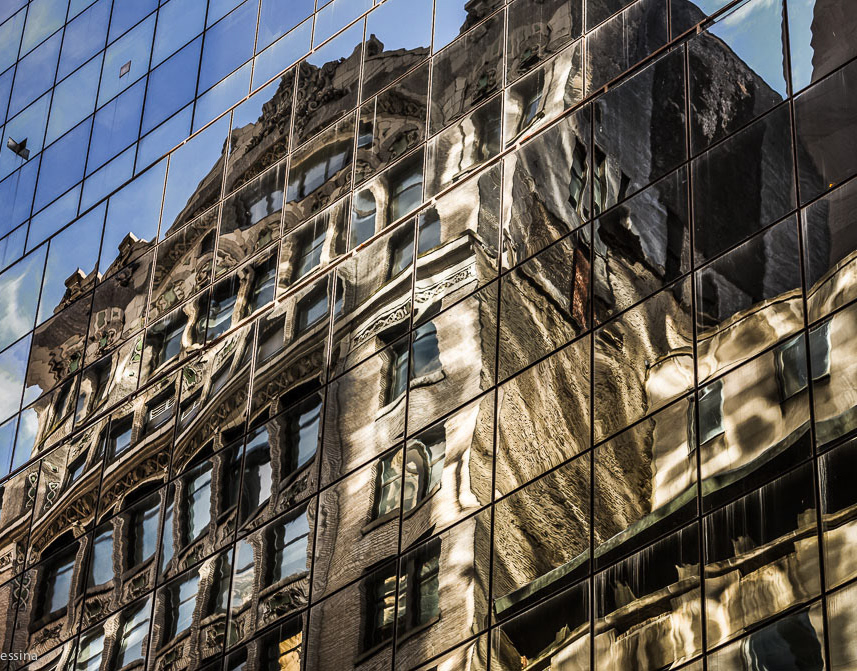
This is an update form my new base in Germany. I have recently moved to Munich and have been busy doing CGI post-production work and some location photography. I only have a few shots that I can share and here they are: Munich, taken after a shoot at the Haus der Kunst (Modern Art), Berlin, where I went last weekend for a quick catch-up with my old friend Masumi and some more location stuff for CGI taken near my hometown last Christmas. Hopefully more new photos from this part of the globe will follow soon. So… viel spass for now!

Munich

Berlin

Bergamo

2010
06.29

Last Saturday was Okinawa Day in London and I was commissioned to photograph this annual culture and tourism promotional event sponsored  by the Okinawa Association UK. Okinawa is a 1,000 km long cluster of islands south of Japan’s main island also known for the controversial presence of US military bases there. It was a day of music, dance, art and food all in Okinawan style. A karate demonstration was also held as this martial art is considered to have begun in this archipelago. traduci >>

2010
05.11

I haven’t updated the blog for a while as I haven’t been traveling since I came back from South America last December and although this latest trip was actually to my home town I thought it deserved a page here.

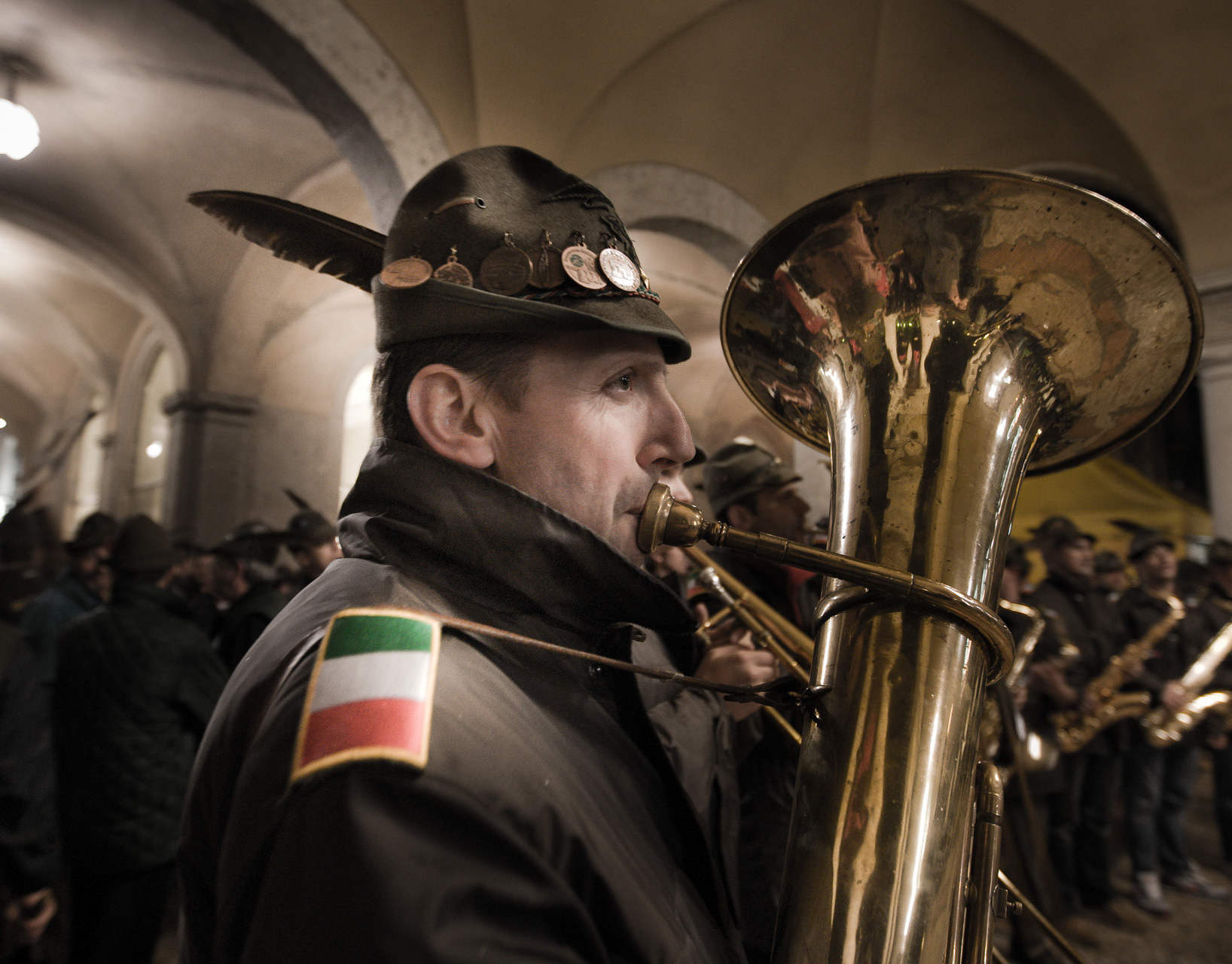
Last weekend the city of Bergamo hosted the annual gathering of the Alpini, the Italian Army Corps funded in 1872 – where I served for a year myself during my military service – and saw for 3 days an invasion of about 500.000 people from Italy and abroad parading and singing in the streets.

Alpini derived their name from “Alpi” (the Alps, where they are normally based) and have a very strong sense of belonging – particularly among the more elderly ones – for many reasons such as the pleasure of remembrance for “the early days”, the financial and social commitment to devastated communities, the companionship established during strenuous physical and psychological experiences, the stunning sceneries amongst which they have served and for being drinking water abhorrers. The latest due to a peculiar attraction to wine, grappa and the typical singing sessions that always follow a few cheers.

I loved seeing my home town, normally laborious and conservative which also hosts some of the most troublesome football hooligans in Italy, being filled with half a million people of all ages having a great time, together, peacefully.

Here are some images I took while wandering around when not busy holding a cup myself.

Salute!!! traduci >>

2009
12.15

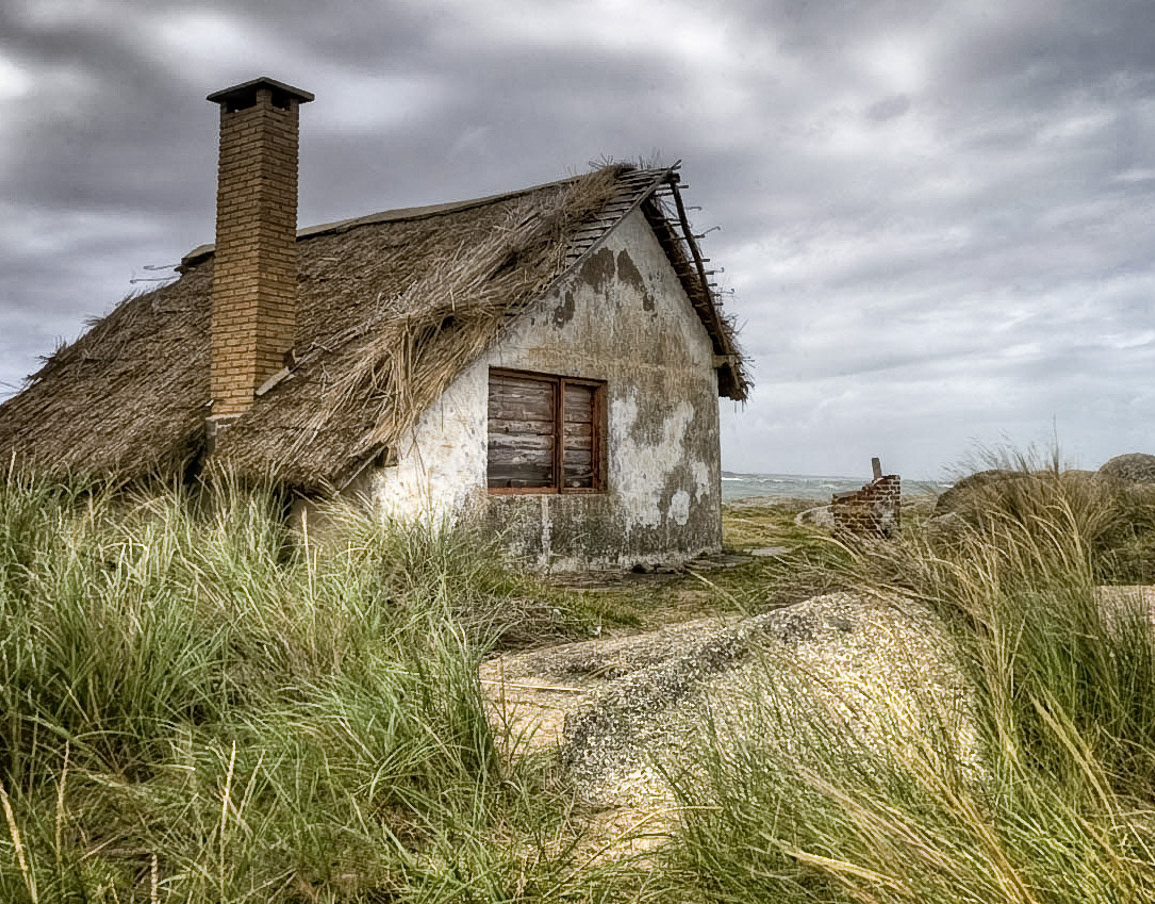
I didn’t last long in Buenos Aires. Just enough to meet my old friend/colleague Bjoern for a good catch-up who’s also starting his American adventure but on his motorbike. I did like the city but the hot weather and the beaches of Uruguay being so close…well, what would you do? And Punta del Diablo is a really nice spot, relaxed, traditional, with not too many gringos at this time of the year. I took a few shots the first day but the second one was too good not to go to the beach.

So this is the end of it.  When I bought this ticket this day was like a vague date somewhere light years away and now here we go, time to catch my flight!

Adios America Latina, asta pronto Europa! traduci >>


2009
12.15

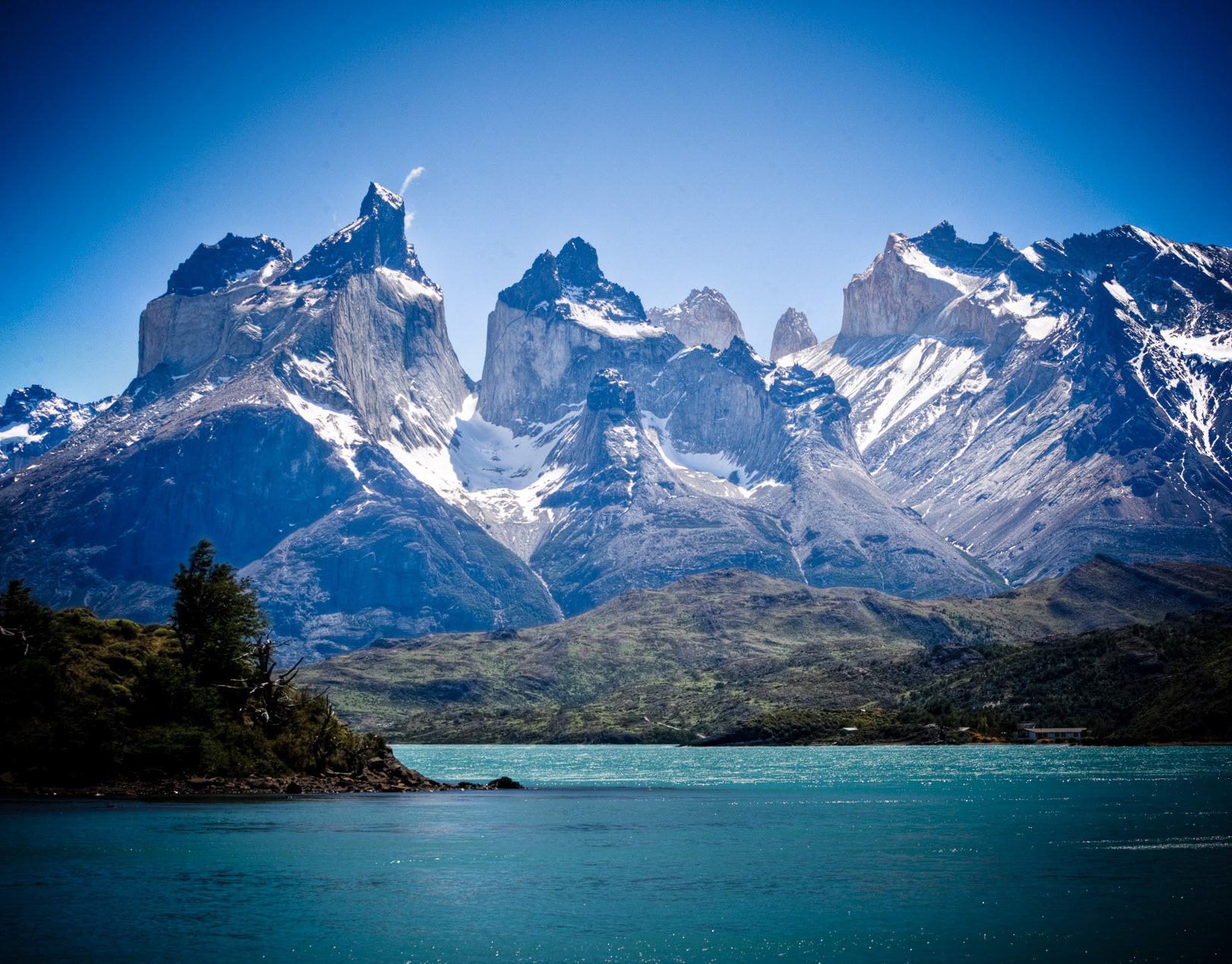
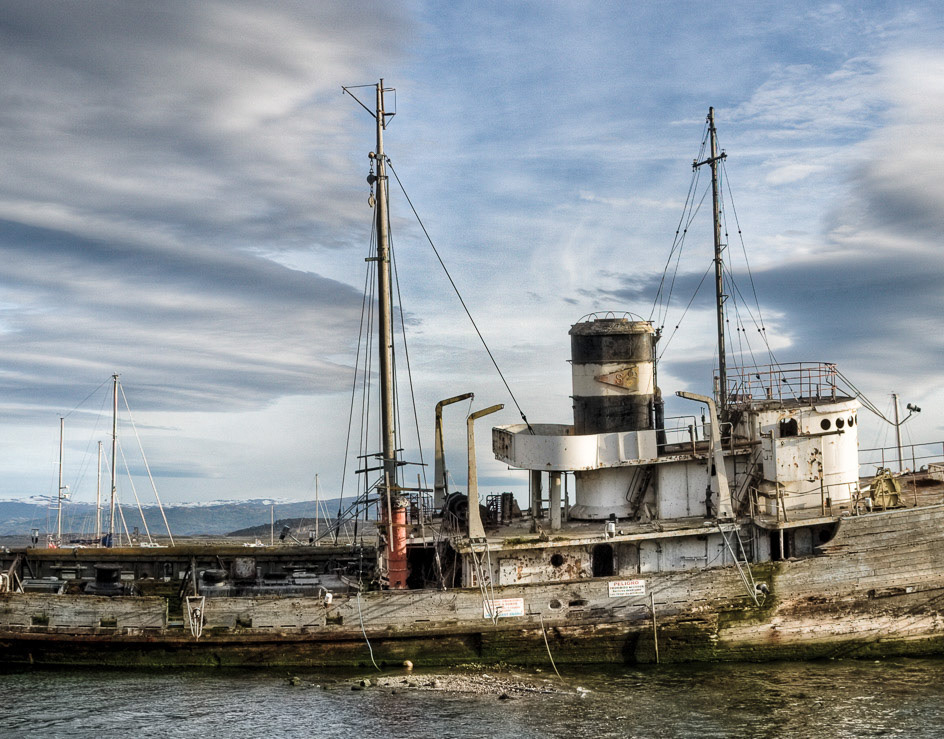
I have finally made it the southernmost city of the world, Ushuaia, also capital of Tierra del Fuego province.

Unfortunately I got there only 12 hours prior my scheduled flight to Buenos Aires and managed just a glimpse of these amazing views. Every time I had looked at the map of South America my eyes were “falling down” right to the very bottom of the continent and I had always wondered what it could be like “down there”.

As soon as I dropped my luggage, I took my camera and rushed out. I bought myself a bottle of beer and stopped a taxi. I asked the driver to take me to the best viewpoint reachable before sunset and pick me up one hour later. So he did. He told me he was going to drop me off to a nearby panoramic hilltop where I could mirar la fin del mundo (see the end of the world) as this region – once a penal colony – is known.

It felt so surreal being there and picturing myself at last in this incredibly remote part of the globe. I sat on a rock in front of a lighthouse derelict, sipping my beer, taking pictures and observing the sun rapidly disappear behind the mountains. The city slowly started to glow and take over the magic of the place. I couldn’t stop thinking that beyond those lights and the towering mountains, right “on top of me”, was the whole world.